The Lighting Gap
Most interiors are over-specified in the plan and under-delivered on site. Here is what actually changes the result.
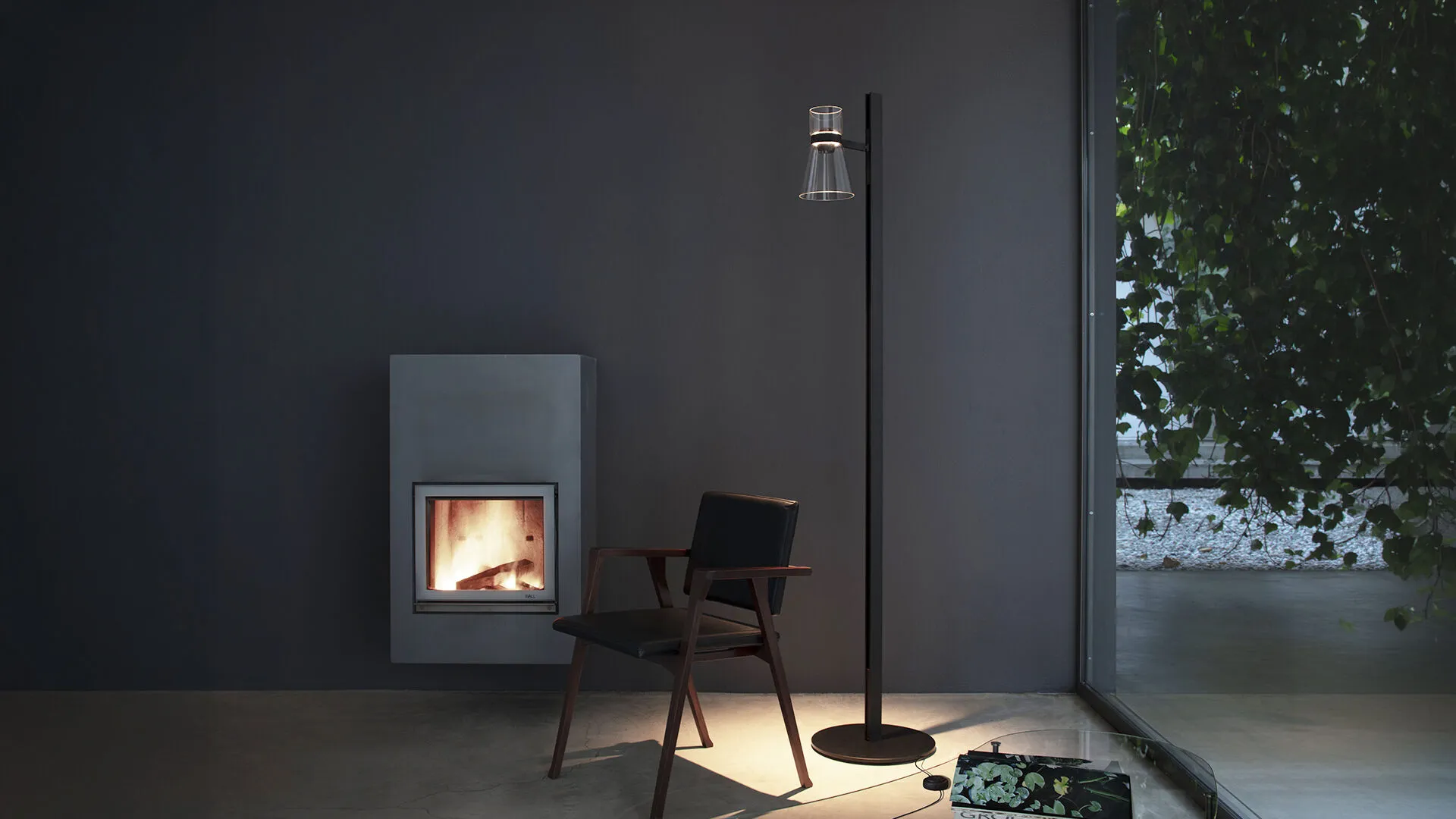
There is a version of a room that exists in the lighting plan — every zone addressed, every layer considered, the architect and the lighting designer aligned — and then there is the room that gets built. The distance between them is the lighting gap.
It is one of the most common, most preventable, and least discussed failures in high-end residential work.
Where the gap opens
Lighting design is specified in isolation and installed in sequence. The fixture is chosen at the design stage. The dimmer is specified by the electrician. The smart home system is commissioned by the integrator. Each party does their job correctly. The result is a room where the chandelier in the dining room cannot dim below 20% without flickering, the bathroom recessed lights have a color temperature that makes the marble look gray, and the garden lighting turns off at midnight because no one programmed the scene.
These are not expensive problems to solve. They are expensive problems to fix after completion.
A lighting scene is not a setting. It is a relationship between every source in the room.
What we do differently
We treat lighting as a system, not a product list. This means three things in practice.
First, we specify fixtures, drivers, and control systems from the same supplier relationship where possible — not because exclusivity matters, but because compatibility does. A KNX dimmer and a DALI driver and a Lutron processor can coexist, but someone has to verify the integration before the ceiling is plastered.
Second, we commission. Every project we work on includes a lighting commissioning session — typically two to three hours on-site after furniture is in place — where every scene is adjusted to the actual room, with the actual surfaces, at the actual times of day the client will use it.
Third, we document. The commissioning session produces a scene map: a written record of every programmed scene, every dimmer level, every color temperature. This document lives with the property. When something changes — and something always changes — it is the reference.
The cost of not doing this
A lighting commissioning session costs a fraction of one fixture. The cost of not doing it is a room that never quite feels right, a client who cannot articulate why, and a project that does not photograph the way it should.
We have walked into completed projects where the lighting was beautiful on paper and punishing in life. We have also walked into projects where someone took the time to get it right, and the room felt like it had been lived in for years.
The difference is visible in the first thirty seconds.
Related: Smart Home Integration · Flos · Artemide